
Systems selected for the application — not the sales pitch.
Every waterproofing chemistry has a purpose. Here's what each system actually does, and when it's the right call.
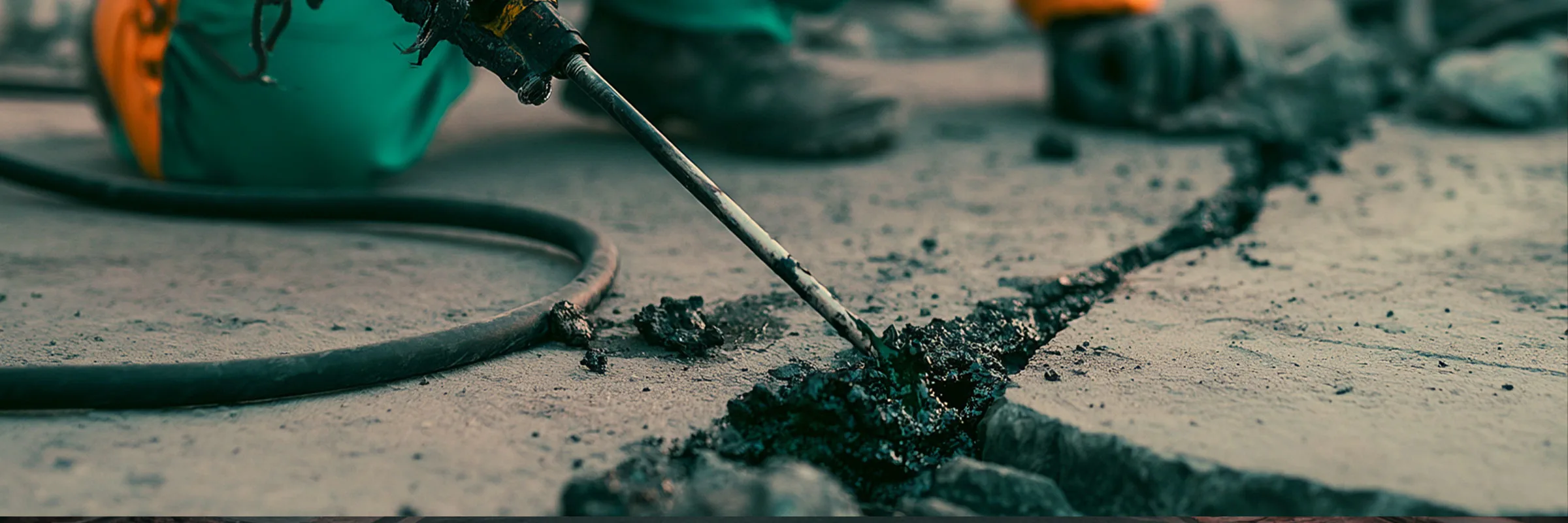
PU Injection Grouting
A targeted fix for active, pressurized leaks — injected directly into the source rather than applied over the surface.
Learn More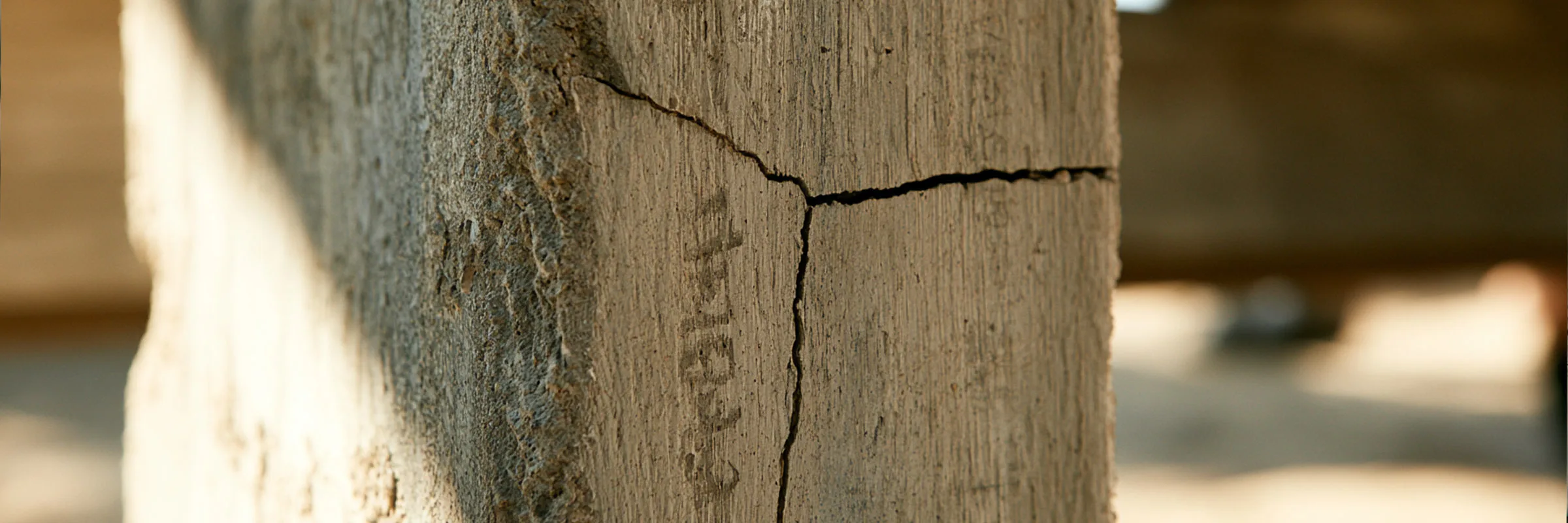
Epoxy / Crack Injection
Where PU grouting seals a leak, epoxy injection restores structural strength — used on cracks that aren't actively moving.
Learn More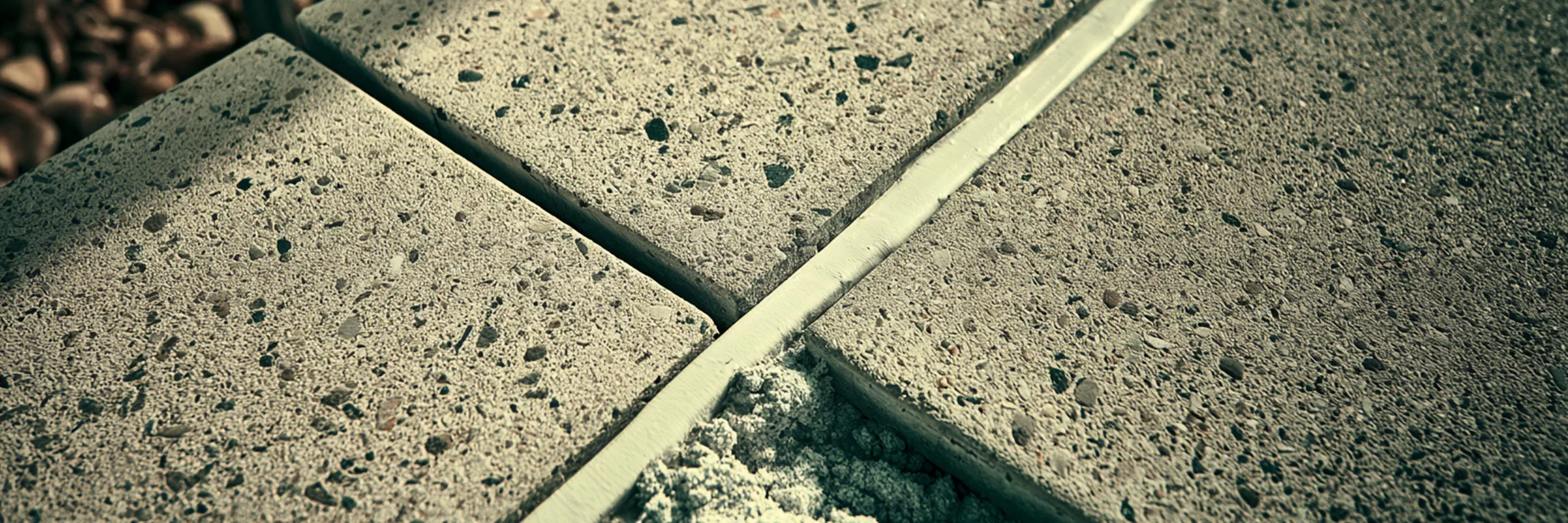
Expansion Joint Treatment
Every large structure needs room to expand and contract with temperature. Expansion joints provide that room — and need to stay both flexible and watertight.
Learn More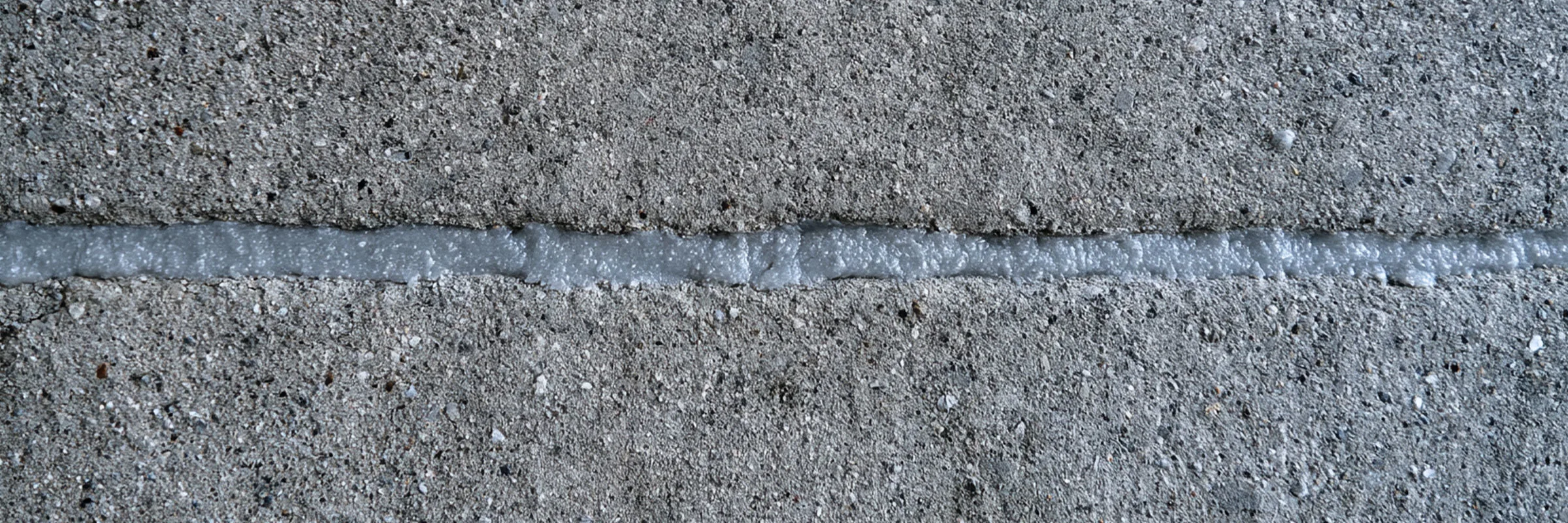
Construction Joint Sealing
Wherever two separate concrete pours meet, there's a seam — and seams are where water finds a way in.
Learn More
Crystalline Waterproofing
Rather than sitting on top of concrete, crystalline systems react with it — becoming a permanent, self-healing part of the structure itself.
Learn More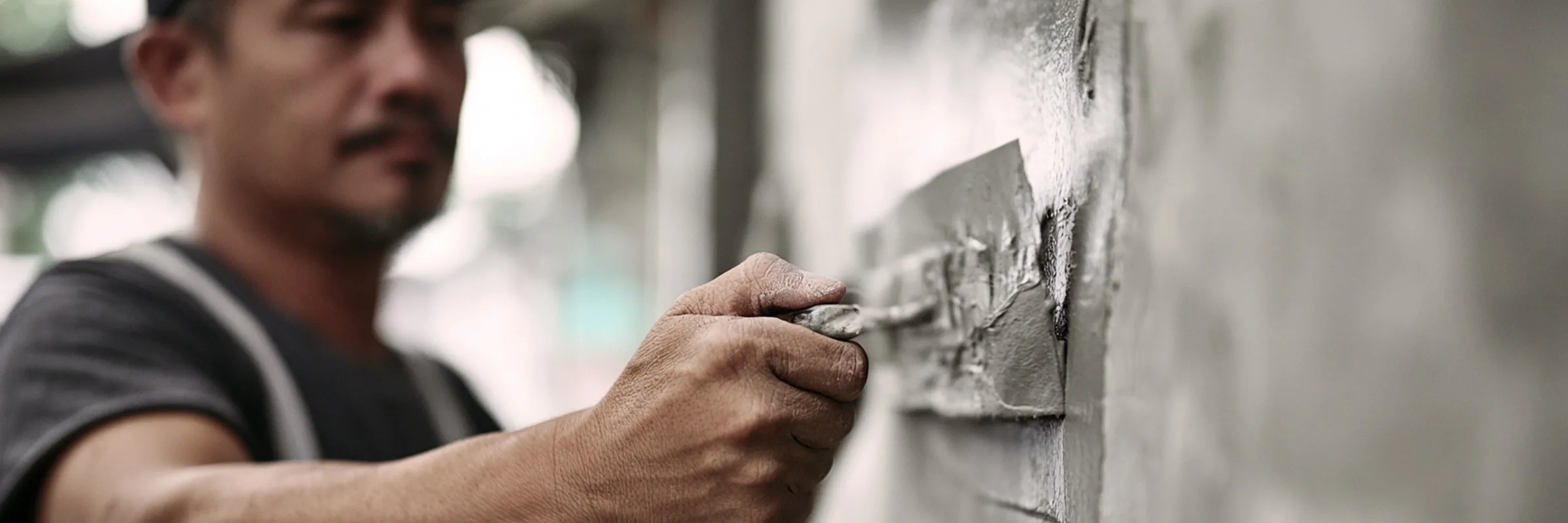
Cementitious Waterproofing
One of the most widely used waterproofing systems — a cement-based coating that bonds directly to concrete and masonry.
Learn More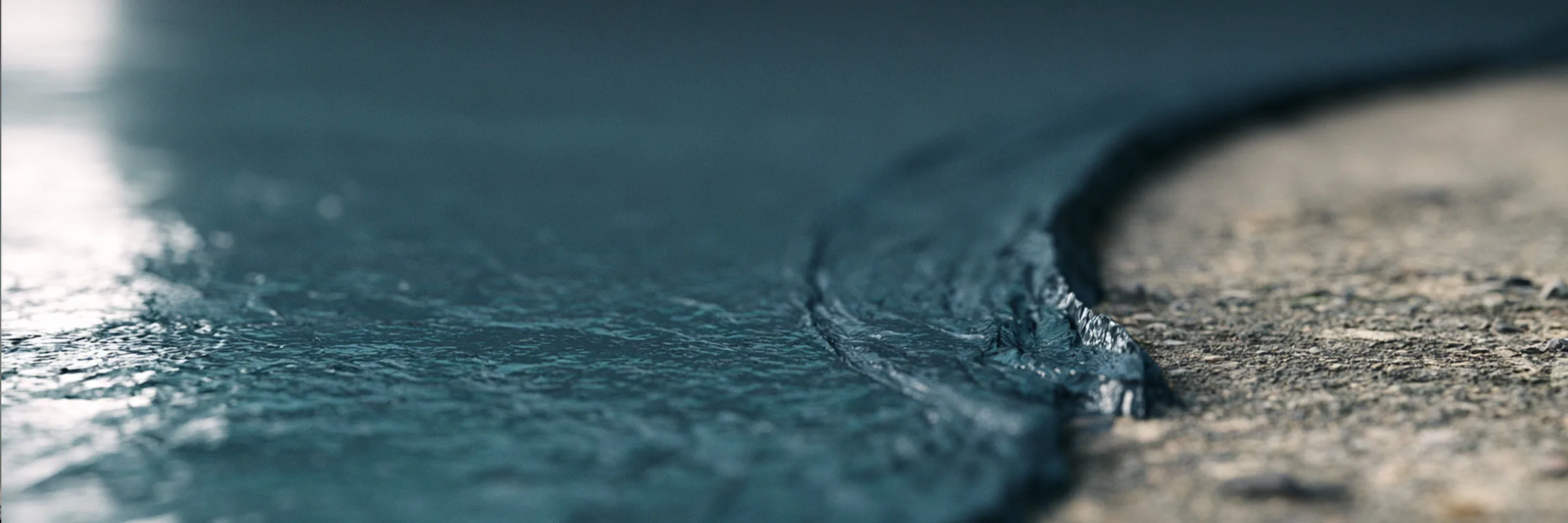
Liquid-Applied Membranes
A seamless, flexible membrane formed directly on the surface — no joints, no seams, no weak points to exploit.
Learn More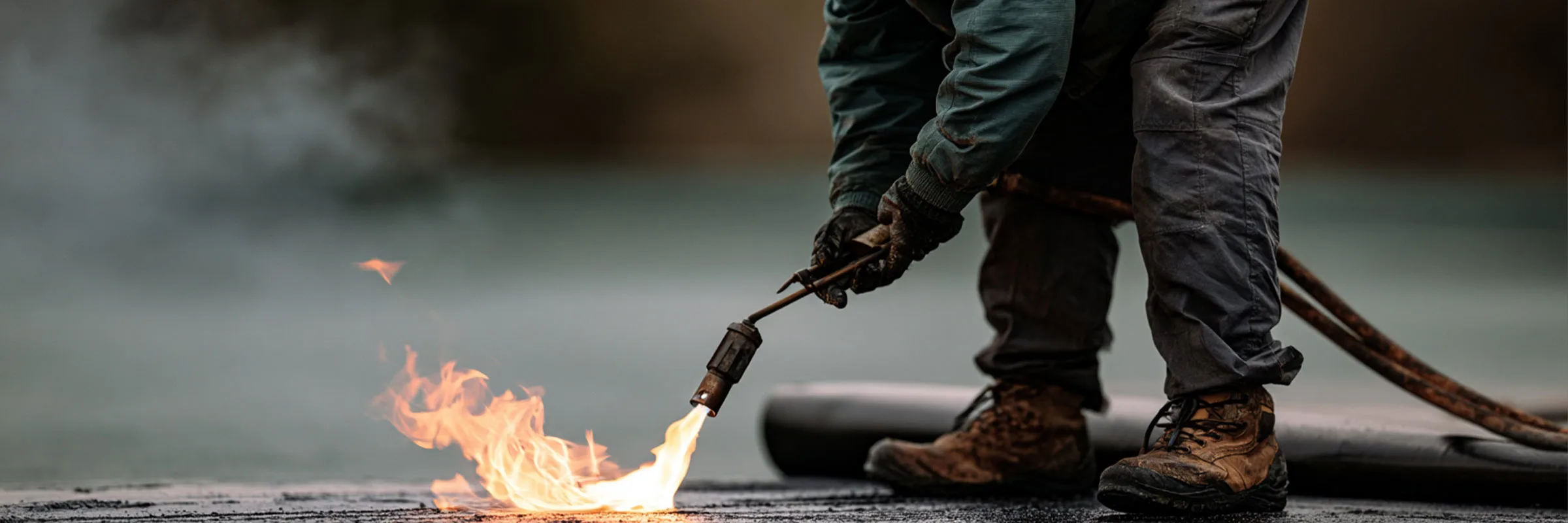
APP / Bituminous Membranes
A proven, heavy-duty sheet membrane system, torch-applied for roofs and terraces that face constant sun and weather exposure.
Learn More
Elastomeric Coatings
A highly elastic protective coating that stretches and recovers with the structure beneath it, rather than cracking under stress.
Learn More